
7 Signature Dishes Travelers are Chasing Around the World
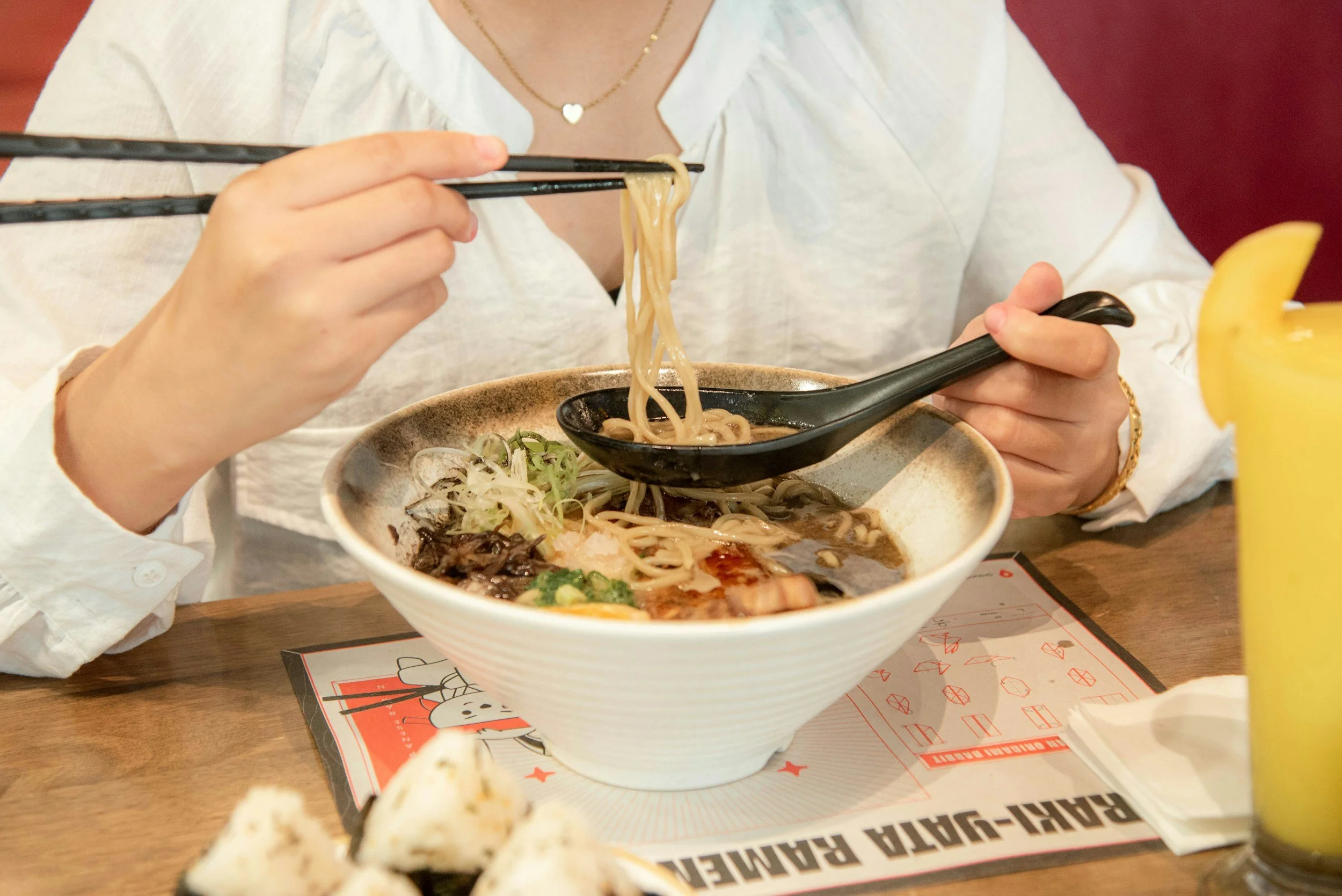
We’ve seen this on social media: TikTok reels and Instagram stories from Bangkok street markets on the search for authentic Thai street food; people lining up before sunrise for croissants in Paris; entire itineraries built around restaurants booked months earlier.
For many people, food is playing a big role in choosing their travel destinations, as noted in this Skyscanner travel trends report. Some dishes have even become the destination themselves, with visitors planning entire itineraries around the cuisines they most want to try.
In this guide, we explore seven signature dishes from around the world that foodie travelers are chasing.
Tonkotsu Ramen (Fukuoka, Japan)
Visitors flock to Fukuoka for a specific type of tonkotsu ramen: The Hakata (or Hakata-style) Ramen. It’s known for its creamy tonkotsu (pork bone) broth flavored with soy sauce, salt, or miso; firm ultra-thin ramen noodles; and topping of sliced chashu (braised pork belly) and chopped green onions.
For an authentic experience, purchase the dish from a stall. Fukuoka has more than 100 large-scale yatai (food carts) around the city to choose from. The ramen is traditionally kept simple, and the servings are fairly small. If you have plenty of broth left and want more, their “kaedama” system lets you order noodle refills at the end of your meal.
Pizza Margherita (Naples, ItalY)
The birthplace of pizza still offers Neapolitan pizza margherita the traditional way: A simple dough base, tomatoes, mozzarella, basil, and a bit of olive oil. Historic pizzerias like L’Antica Pizzeria da Michele and Pizzeria Brandi are popular among travelers. Don’t expect perfectly cut pizza to emerge from the kitchen. The traditional way of eating it is by cutting it up with a knife as you go, or folding it into a pocket to eat while you’re on the move.
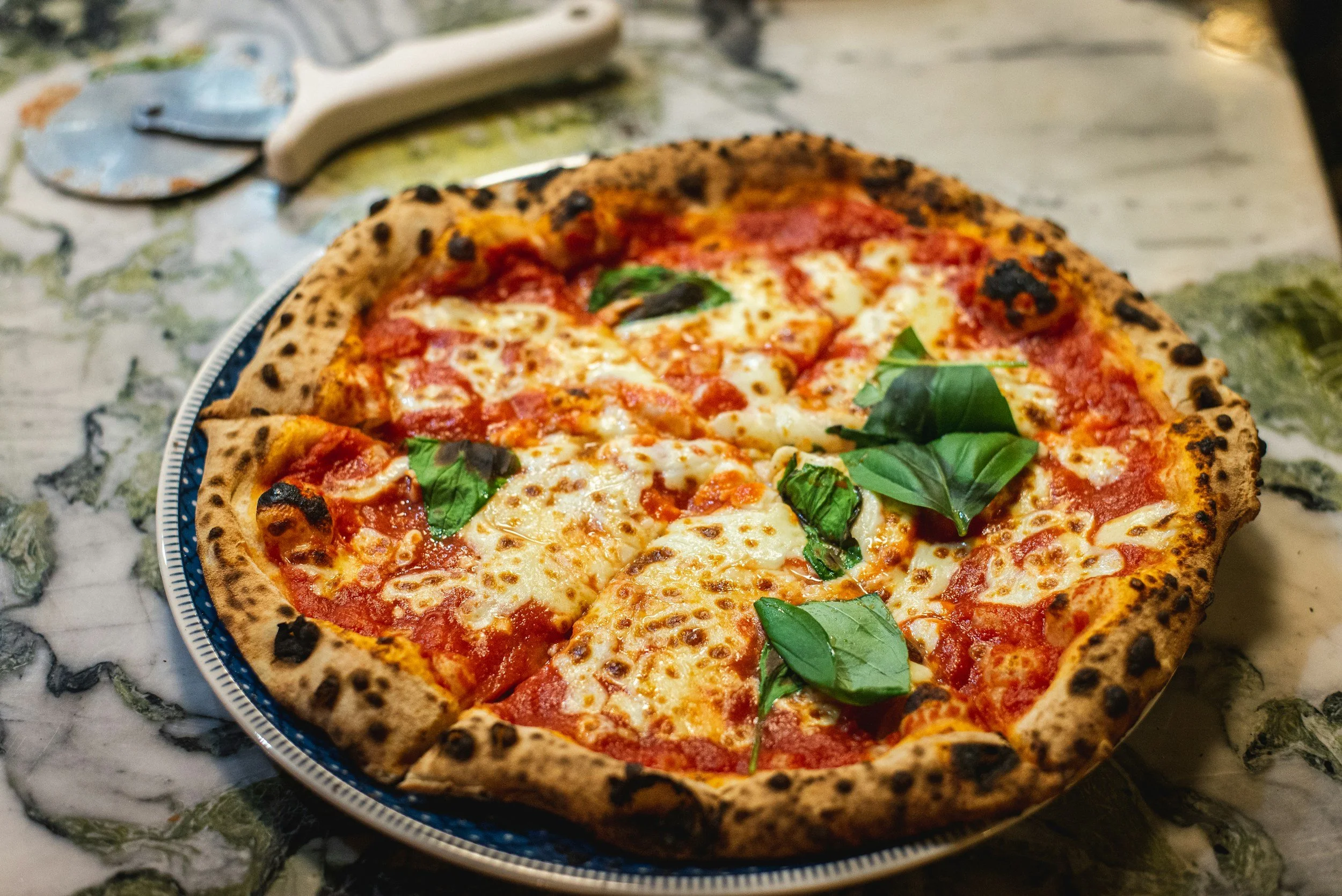
Pizza Margherita
Chili Crab (Singapore)
Singapore’s signature dish, the chili crab, is found in both high-end restaurants and hawker centers around the city-state. These mud crabs in sweet, savory, and spicy tomato gravy are sticky and messy to eat, but that’s all part of what makes the experience authentic. Hawker centers offer the most authentic local experience, but if you have a bit more to spend, head to Makansutra Gluttons Bay for dinner with a view.
Pho (Hanoi, Vietnam)
In Hanoi, pho often feels less like a planned meal and more like part of the morning routine. Starting out the day with a steamy bowl, savoring the fresh rice noodles, herbs and beef as you sit in plastic stools and take in the city rhythm is the most authentic way to experience pho before you go exploring the city’s historic sites.
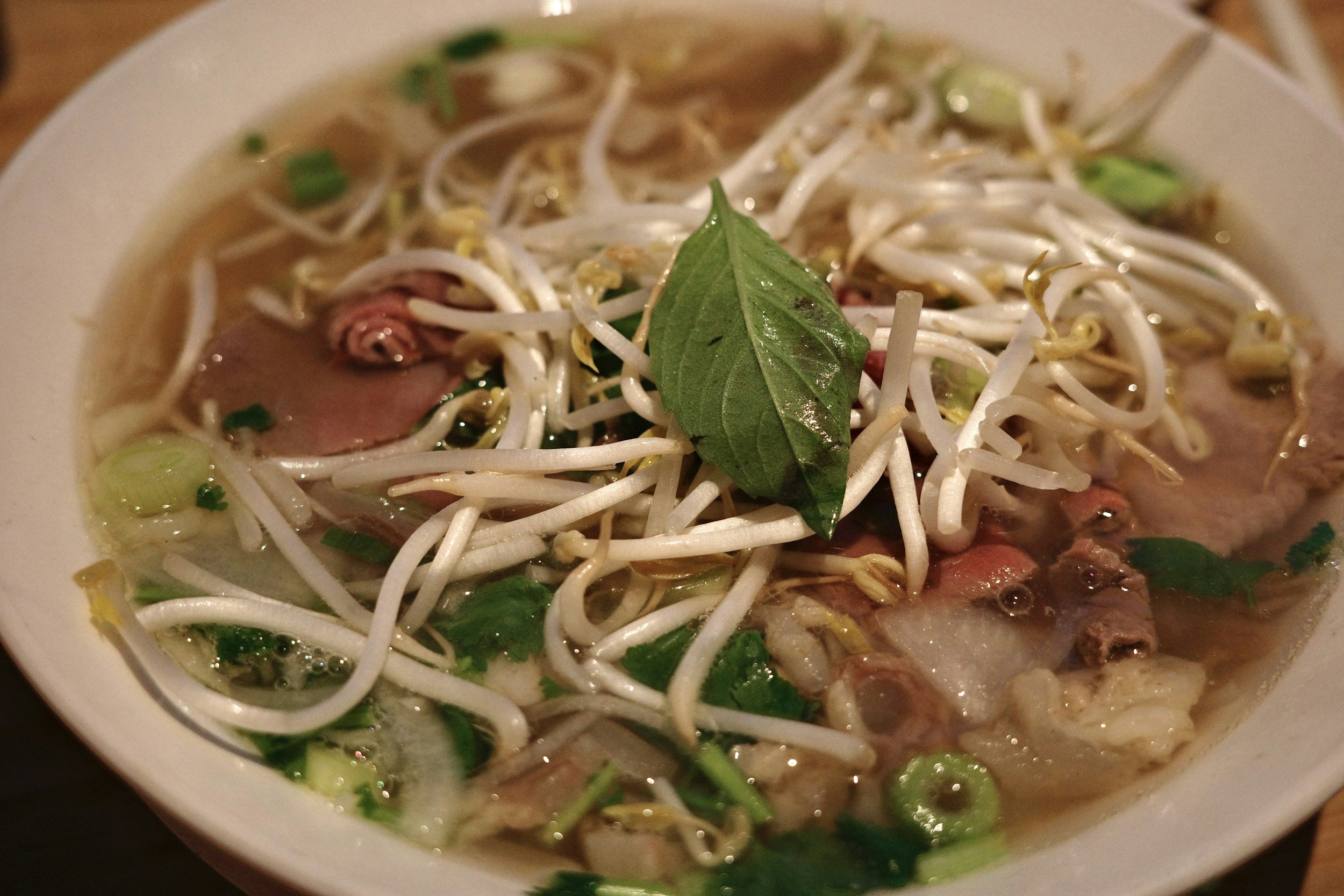
Pho
Lechon (Cebu, Philippines)
Ask locals where to get lechon in Cebu and you’ll usually get several passionate answers. One thing is clear: This charcoal-roasted pig with its crispy skin and flavorful meat is Cebu City’s regional pride. Travelers usually do a Cebu lechon crawl to explore the popular lechon spots in Cebu City, Carcar, and Talisay. For the most authentic experience, buy from Carcar City Public Market, take it to a nearby carinderia (eatery), and eat to your heart’s content.
Pastéis de Nata (Lisbon, Portugal)
These warm custard tarts may sound simple, but they’ve become a massive driver of food tourism. Visiting the Pastéis de Belém has become a pilgrimage for tourists, who consider the queue a rite of passage. The delicacy is a morning staple, deeply ingrained in bakery culture and paired with espresso, but it’s available all day for anytime you want a sweet treat.

Pasteis de Nata
Dishes as part of a place’s identity
Part of what makes these dishes memorable is that they’re tied so closely to the places they’re from. Travelers may arrive chasing a specific meal, but what stays with them is everything around it: The place, the atmosphere, and the feeling of eating a delicious dish exactly where it belongs.